

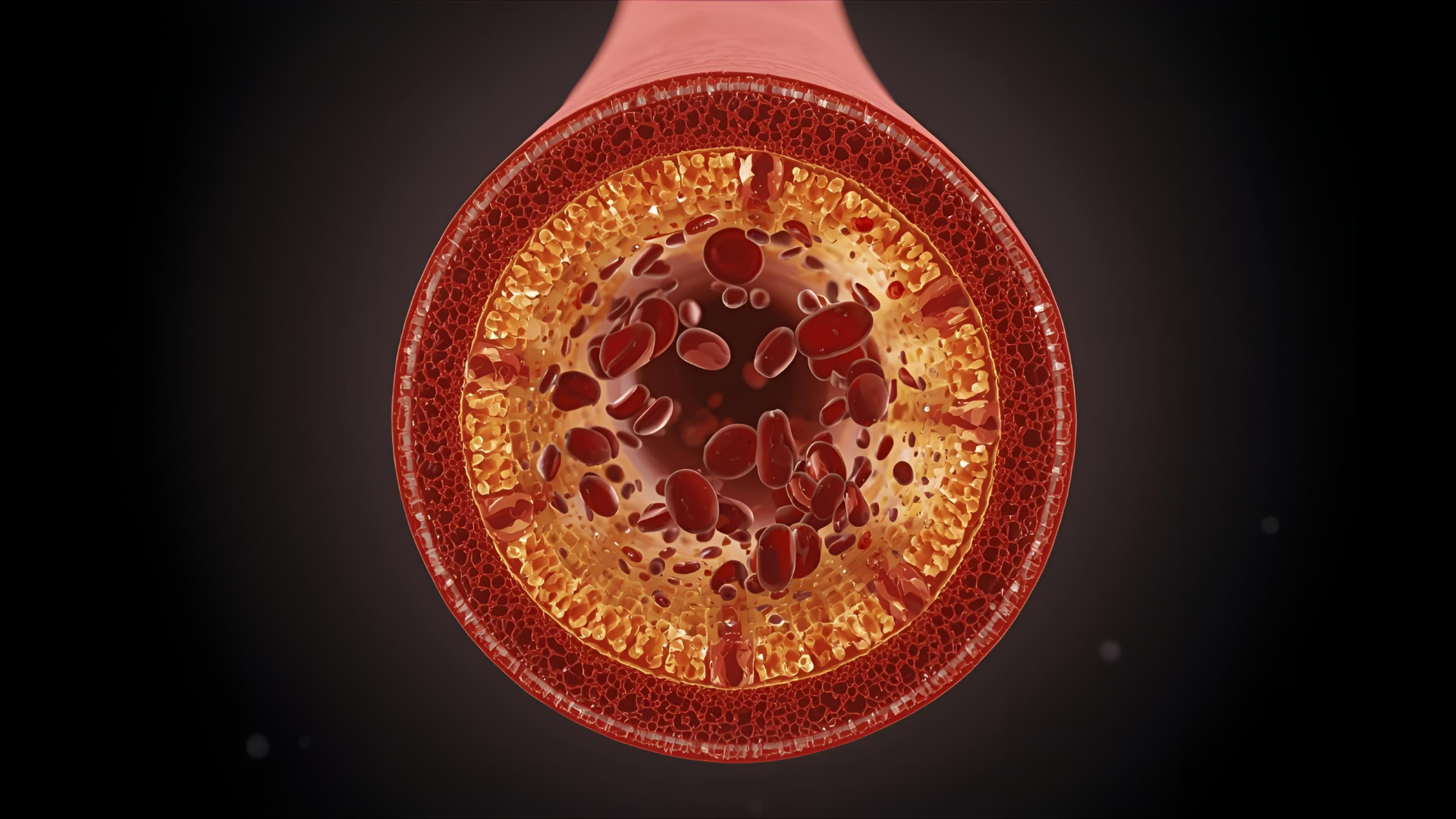
As we recognize National Cholesterol Education Month, it’s the perfect time to take a closer look at what cholesterol really means for your heart health. To begin with, cholesterol is a waxy, fat-like substance your body needs to build cells and make hormones. But too much of the wrong kind can cause health problems—especially heart disease.
There are two different types of cholesterol, one being beneficial to your health and the other being dangerous to your health. The good kind, known as HDL (High-Density Lipoprotein) is responsible for picking up excess cholesterol in the bloodstream, and carrying it back to the liver, where it can be broken down and removed from your body. Higher levels of HDL help lower your risk of heart disease and stroke.
The other (bad) kind of cholesterol is known as LDL (Low-Density Lipoprotein). This type of cholesterol is the exact opposite of HDL. LDL carries cholesterol to your arteries, but too much of it can lead to plaque buildup on artery walls (atherosclerosis). The plaque can block or narrow blood flow, increasing the risk of heart attack or stroke.
Managing both LDL and HDL cholesterol is essential for protecting your heart health. The goal is to lower your LDL, and raise your HDL. You can do this by adopting a heart-healthy lifestyle: eat a balanced diet rich in fiber, healthy fats, and whole foods while limiting saturated and trans fats. Regular exercise not only helps reduce LDL but also boosts HDL levels. Maintaining a healthy weight, quitting smoking, and managing stress are also key. Medications for controlling cholesterol levels may also be necessary
In some cases, the team at Partners Heart & Health may recommend these medications as part of a personalized plan to help manage your cholesterol levels effectively. With ongoing support, expert guidance, and routine check-ups available through our comprehensive cardiovascular services, you can take control of your heart health and significantly lower your risk of heart attack, stroke, and other serious conditions.